



Tree Fern Fiber
Cyathea spp. · sustainably harvested fibres from New Zealand.
This store requires javascript to be enabled for some features to work correctly.
 THE LIVING GALLERY

A natural, coarse material made from 100% tree fern fibre Cyathea spp. from New Zealand. Its open, fibrous structure retains moisture without becoming waterlogged while allowing air to circulate around the roots. Use it on its own for suitable epiphytes, as a component in chunky mixes, in moss poles or in terrariums.
The coarse, interlocking fibres create air gaps, retain some moisture on their surface and allow excess water to drain away. They also decompose slowly, helping the structure last longer.
Cyathea spp. · sustainably harvested fibres from New Zealand.
The coarse structure creates air channels and helps excess water move away from the root zone.
The fibres retain available moisture without turning the substrate into a dense, muddy mass.
Slow decomposition and resistance to compaction help the material remain porous for longer.
It can serve as the primary substrate for suitable epiphytes, a structural component in mixes, a filling for moss poles or a surface layer in terrariums.
Use it on its own for suitable epiphytes, orchids or aroids — particularly at the vegetative stage — when the species' needs suit a very open structure.
Mix it with other suitable materials to increase porosity and airflow through the blend.
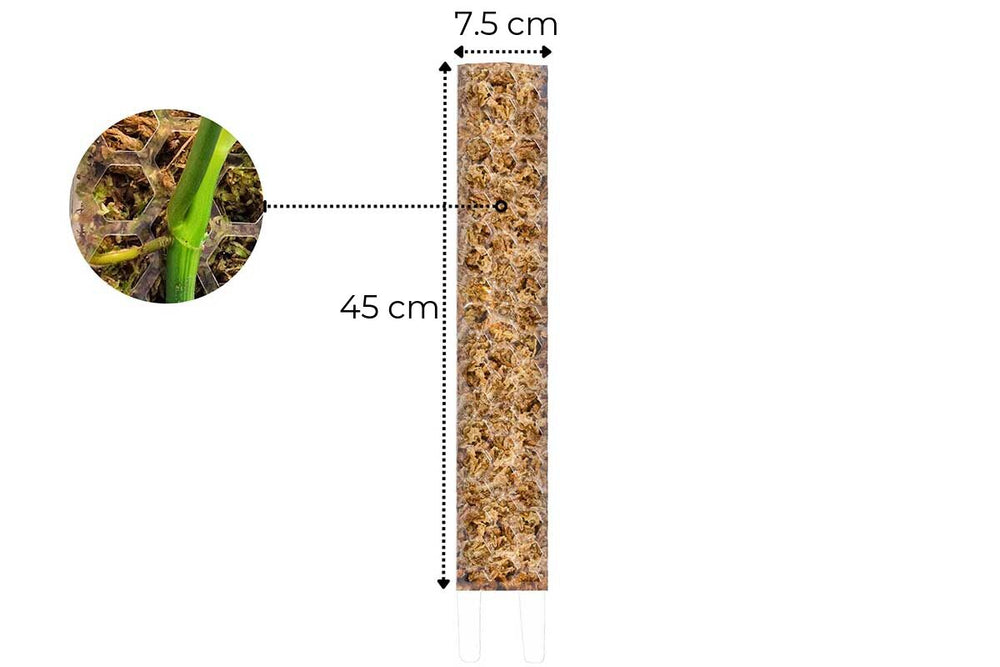
Fill the pole so the aerial roots of the climbing plant can find a natural, fibrous support surface.
Use it as filling material, mulch or a decorative surface layer in a terrarium.
There is no single mixing ratio or fixed watering schedule for every plant. Check the material itself, the pot or moss pole and the needs of the species; the aim is even moisture with free drainage of excess water.
100% fibres Cyathea spp. from New Zealand, in a resealable and recyclable bag.
Pot, moss pole, plant, other substrate materials, fertiliser and tools are not included.
Store the bag in a cool, dry place and reseal it after every use to limit contamination and preserve the structure of the material.
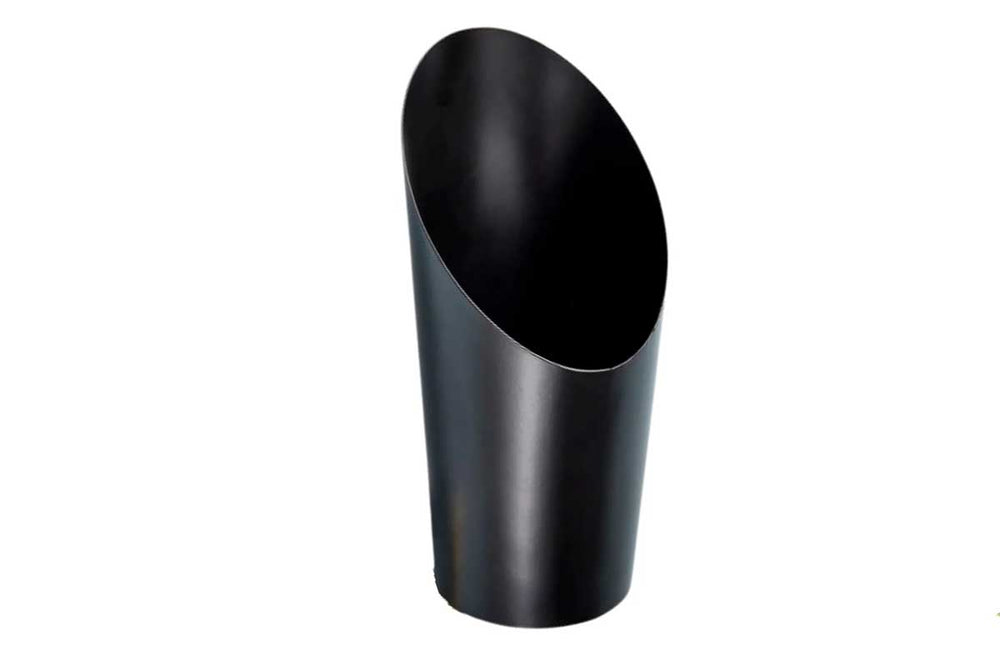
Use the fibres to fill a Crystal Clear Moss Pole, or measure and transfer the coarse material more easily with the narrow Substrate Scoop.
Quick answers about choosing, using and storing the product.
The official composition is 100% sustainably harvested tree fern fibre Cyathea spp. from New Zealand. The package contains one 8.5 L bag.
Both. It can be used on its own for suitable epiphytes, orchids or aroids, particularly at the vegetative stage, or added to an aroid mix for greater porosity and aeration.
Yes. PlantScraper recommends it as a filling material for moss poles, where its fibrous structure provides aerial roots with a natural support surface and an open environment.
There is no fixed frequency. The fibrous structure retains moisture while allowing excess water to drain, but the actual drying rate varies with the plant, container, mix, temperature and airflow.
Store it in a cool, dry place and reseal the bag securely after use to limit contamination and preserve the structure of the material.