



This store requires javascript to be enabled for some features to work correctly.
 THE LIVING GALLERY
The legal guarantee concerns the plant’s conformity at delivery. It is not a guarantee of survival or growth for two years. Each issue is assessed taking into account the nature of the plant, its care and the conditions in which it is kept. Your statutory rights remain unaffected.

The Echeveria that makes “flat” look boring 💤
Echeveria 'madiba' is a modern collector rosette whose leaves rise, fold and develop pronounced texture around the centre. Glaucous green surfaces gain pink to coral tones along ruffled margins, with shadows making every leaf appear individually sculpted.
Its form develops into a genuine living sculpture: as new ranks are added, the folds create rich rhythm without losing the rosette’s balance. A documented creation story and distinctive appearance make it a meaningful choice for a discerning collection and an exceptional gift with name, character and modern botanical history.
Three defining details that turn its botanical identity into real presence for a collection and interior.
Raised ridges and hollows give the leaves pronounced three-dimensional depth.
A cool waxy foundation is framed by warm pink margins that shift seasonally.
The cultivar arose at Paco Serrano’s nursery and carries a name with distinctive meaning.
Why you’ll love it: it combines dramatic texture with a documented origin and grows more compelling with every new rank of leaves.
Present it alone in low charcoal, white or soft pink ceramic with open space around the rosette. A slightly elevated view reveals the folds, while a neutral backdrop keeps the glaucous pink palette clear.
Pair it with plants that genuinely share its light, substrate and seasonal rhythm. Separate pots keep care precise for each one.
Very bright conditions with gradual morning or late sun.
Water deeply only after the mix has dried completely.
Mild growing periods, good airflow and protection from extreme heat or frost.
Not intended for ingestion; keep it away from chewing.
Provide intense natural brightness with a gradual introduction to gentle sun. A good position keeps the rosette compact and coral margins clear without sudden scorch.
Wait for the entire root zone to dry, then water around the base. Remove any moisture hidden within the deep folds.
Low humidity and steady gentle ventilation protect the textured leaves. Do not mist or allow old leaves to accumulate beneath the rosette.
Activity is most reliable in mild spring and autumn conditions. It slows in heatwaves or cold, so watering follows actual uptake.
Use an exceptionally porous cactus-and-succulent mix in a stable pot with an open drainage hole. Keep the neck high and lower leaves clear.
After adding fresh Sybasoil, wait about two months. Then use diluted Cactus & Succulent Focus only while new ranks of leaves are actively forming.
Echeveria ‘Madiba’ arose at Paco Serrano’s nursery in Spain as a chance hybrid among plants raised from seed labelled E. lilacina.
The seed-parent identity was not absolutely confirmed and the pollen parent remains unknown. Possible involvement of E. agavoides has been suggested, not proven.
“Madiba” is Nelson Mandela’s Xhosa clan name and was adopted for the cultivar. Huntington Botanical Gardens documented its distribution through the ISI in 2025.
From natural habitat to care: The morphology of ‘Madiba’ comes from Mexican Echeveria that store moisture in rosettes and root in rocky, rapidly draining sites. The hybrid retains this fundamental adaptation, while deep folds create extra places where dampness can linger, making ventilation particularly important.
Local differences in growth create raised areas and folds across the upper leaf surface.
Cuttings and offsets retain the selected form, whereas seed would create new genetic variation.
Epidermal wax reflects some radiation and reduces moisture loss.
Protective pigments add pink and coral tones according to season and exposure.
Useful answers about light, watering, seasonal rhythm and the plant’s correct identity.
Yes. This documented strongly textured selection is less widely distributed than standard Echeveria.
Not fully. It arose among plants labelled as E. lilacina from seed, but neither maternal nor paternal identity was confirmed.
The name refers to Nelson Mandela’s Xhosa clan and honours his iconic legacy.
Only when the mix has dried to the bottom and the pot feels noticeably light.
Texture expression may increase with maturity, while insufficient brightness loosens the rosette overall.
No. It is a natural waxy coating, and a touch can leave a lasting visible mark on the leaf.
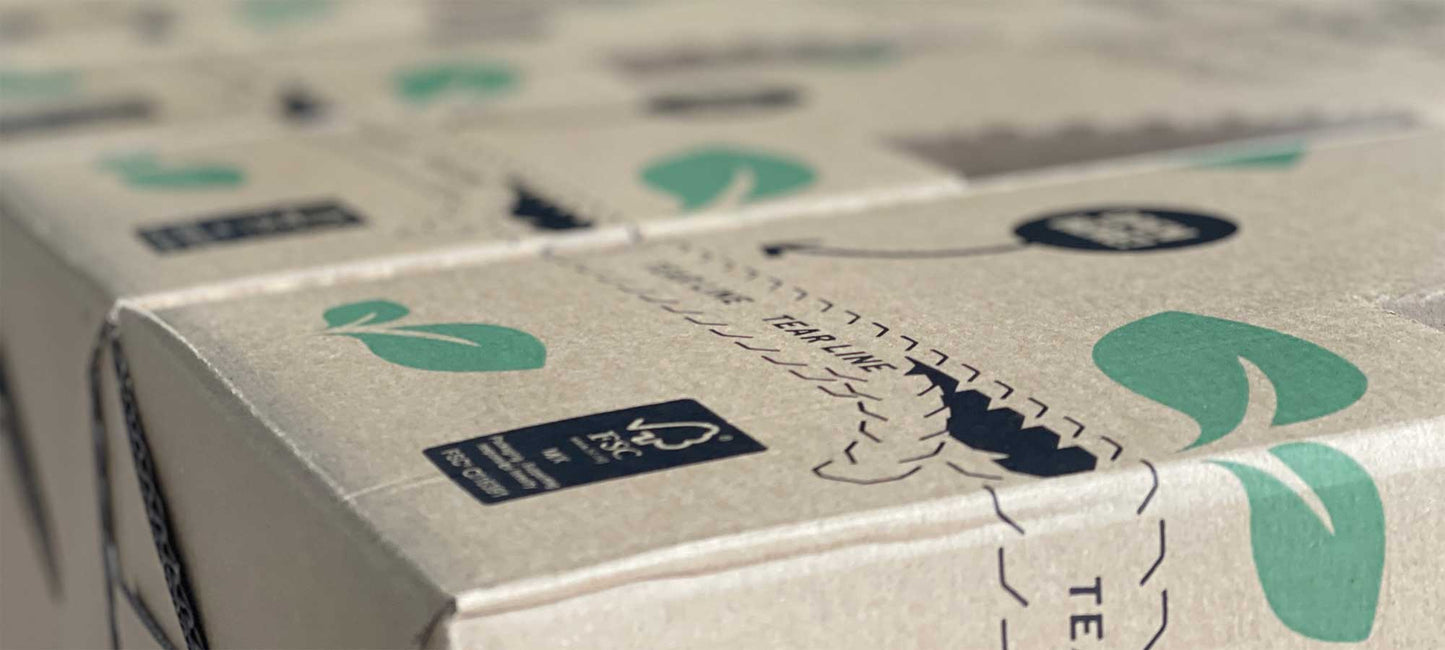
Every order is prepared with care so your plant arrives upright, secure and safe.
Individual protection
Plants in pots with a capacity of 3 litres or more are placed in individual boxes that hold the pot securely and reduce the risk of tipping over.
Sturdy packaging
We use reinforced cardboard designed to protect against impacts and vibration during transport.