



The product base
NPK 13-7-18 + 1.5% MgO + 20.7% SO₃ and trace elements in a controlled-release fertiliser.
This store requires javascript to be enabled for some features to work correctly.
 THE LIVING GALLERY

For bedding plants and small flowering pots, good nutrition should support flowering without encouraging overly soft, loose growth. Osmocote Bloom uses an NPK 13-7-18 high-potassium formulation with magnesium, sulphur and trace elements, designed for short cycles of roughly six weeks to three months. Mixed evenly into the growing medium before planting, it provides a steady nutritional base for 2–3 months at 21°C — ideal for balcony pots, small flowering containers and seasonal displays that need to stay compact and well presented.

The 13-7-18 analysis combines NPK, magnesium, sulphur and a complete trace-element package.
NPK 13-7-18 + 1.5% MgO + 20.7% SO₃ and trace elements in a controlled-release fertiliser.
The higher-potassium balance suits bedding plants and small flowering pots.
Supports controlled growth so seasonal displays retain a tidier form.
Well matched to short crops and fast seasonal changeovers.
Intended primarily for incorporation into growing media before planting.
For crops lasting roughly six weeks to three months.
For small flowering displays with controlled growth.
For even base nutrition from the start of the cycle.
When replacing plants and growing medium for the next flowering display.
Official rates are based on unfertilised growing medium and even incorporation.
1.5–2 g/L for plants with lower nutrient demand.
2–3 g/L for most standard flowering applications.
3–4.5 g/L for more demanding flowering plants.
At the normal rate of 2–3 g/L, mix a total of 6–9 g.
Mix it evenly through fresh growing medium before planting. Concentrated dibbling is not recommended. Rates are based on unfertilised medium; if a starter fertiliser is present, it should not exceed 0.5 kg/m³ and total nutrition must be recalculated.
500 g pack for accurate dosing in small flowering pots and seasonal plantings.
Higher-potassium formulation for incorporation into flowering-plant growing media.
Store in dry conditions, preferably not above 21°C, and seal the pack carefully.
Core analysis and longevity by average growing-medium temperature.
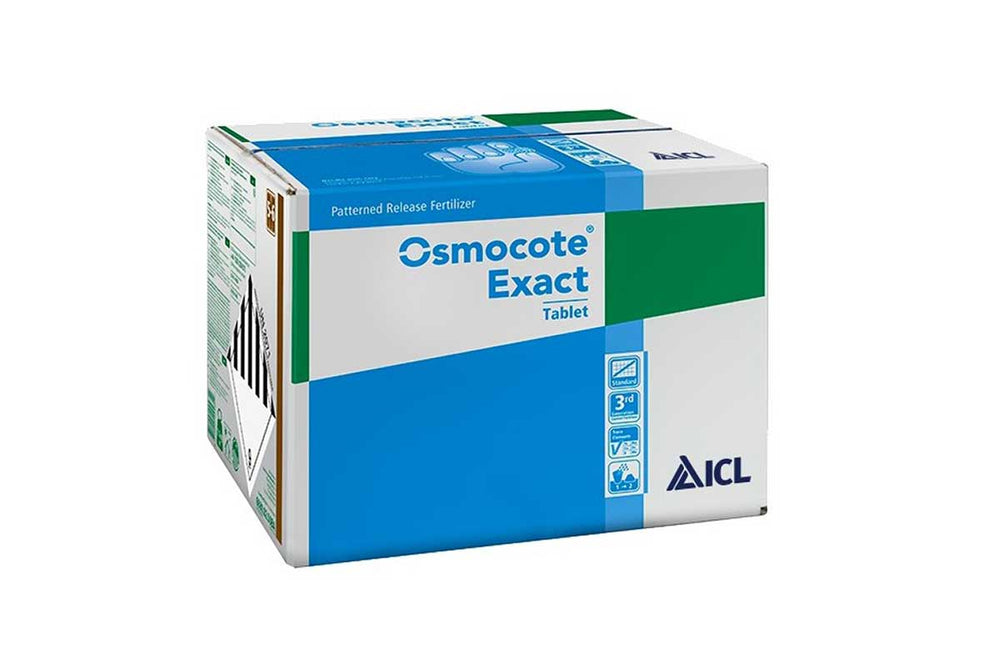
Pro 3–4M is the general repotting option. Exact Tablets provide a pre-measured dose for pots that are already planted.

Answers on flowering plants, dosage, application and longevity.
For bedding plants, balcony pots and small flowering plants with a short cycle.
Use 1.5–2 g/L for light, 2–3 g/L for normal and 3–4.5 g/L for high feeding.
The official application is primarily even incorporation into growing media before planting.
It lasts 3–4 months at 16°C, 2–3 months at 21°C and 1.5–2 months at 26°C.
The 13-7-18 balance is tailored to flowering plants and compact growth.
Keep it dry, preferably at no more than 21°C, and seal the pack carefully.