



This store requires javascript to be enabled for some features to work correctly.
 THE LIVING GALLERY
The legal guarantee concerns the plant’s conformity at delivery. It is not a guarantee of survival or growth for two years. Each issue is assessed taking into account the nature of the plant, its care and the conditions in which it is kept. Your statutory rights remain unaffected.
The fern that blushes before turning green 🍂
Dryopteris erythrosora paints its woodland rosette in copper, rosy red and finally deep glossy green. New fronds unfurl like warm flames through the mature crown, creating collectable layers of colour that stand out on a terrace, courtyard or calm indoor corner styled with natural materials.
Its appearance changes with every flush of growth, so the fern remains engaging long after the first impression. The lush yet ordered crown looks especially beautiful beside stone, dark wood or a simple off-white cover pot that lets copper tones shine.
Successive stages of maturity create a natural colour gradient within one crown.
New curled fronds rise from the centre and open into a broad symmetrical rosette.
Copper and reddish tones gradually transition into clear glossy green.
Finely divided fronds have a firm surface and a rich repetition of small pinnae.
Why you’ll love it: It adds warm colour to shade and transforms naturally without losing its balanced woodland volume.
On a shaded balcony, sheltered courtyard or cool indoor position, with room for new fronds to unfurl freely. Natural materials, stone and matt surfaces reinforce its woodland character.
Choices with compatible light needs and contrasting textures keep the arrangement balanced.
Shade to bright partial shade. In a warm climate, protect it fully from strong midday sun.
Keep the mix gently moist, allowing the surface to begin drying. Never leave it muddy.
It prefers a cooler atmosphere with good airflow. Protect the small pot from dry wind and prolonged heat.
Not known for marked toxicity, but prevent ingestion of plant material.
Shade to bright partial shade, protected from harsh sun. Indoors, choose bright filtered light away from heaters.
Check the mix regularly and water as the surface begins to lose moisture. Water evenly and allow immediate drainage, because steady moisture does not mean a saturated root zone.
Steady moderate to higher humidity keeps tips cleaner. A humidifier or plant grouping helps more than occasional misting, provided there is gentle airflow.
Remove only fronds that are fully dry or damaged. Do not cut new growth while it is unfurling and avoid leaf-shine products because fern surfaces are naturally delicate.
An airy fern mix holds gentle moisture without compacting. Repot when roots fill the pot, move up one size and keep the crown at the same height.
Use gentle feed during active growth, always at the label rate and on an already moist mix. Excess can scorch fine roots and frond tips.
Dryopteris erythrosora is native from China through temperate East Asia, including Japan, Korea and Taiwan.
It grows in cool temperate woodland and sheltered slopes, in organic ground with steady moisture.
The name erythrosora refers to reddish sori; the species is also valued in horticulture for its copper new growth.
From natural habitat to care: Its woodland origin explains the preference for cool shade, an organic airy mix and even moisture, while a small pot needs protection from dry wind and prolonged heat.
Young blades display warm pigments that recede as chlorophyll increases and the frond matures.
Beneath fertile fronds, spore-bearing structures can develop a warm orange-red tone.
Frond retention depends on temperature and exposure; in colder conditions part of the crown may recede seasonally.
New fronds emerge in successive flushes from a central rhizome, preserving the clear radial form.
Practical answers about growth and the plant’s most common signals.
This is normal. As the frond hardens, chlorophyll increases and copper pigments become less visible.
Dry air, irregular watering, mineral salts or harsh sun are common causes. Check the mix and position first, use soft water when practical and trim only tissue that is completely dry.
Check just below the surface with a finger and notice the pot's weight. Most ferns prefer gentle, steady moisture, but never a mix that stays saturated.
When roots fill the pot, the mix dries unusually quickly or growth has become constrained. Repot during active growth, move up one size only and do not bury the crown more deeply.
Misting raises humidity only briefly. Positioning, grouping plants or using a humidifier gives steadier results, always with gentle airflow and foliage that is not kept continually wet.
These ornamental ferns are not known for marked toxicity, but they are not food. Discourage persistent chewing and seek veterinary advice if any symptom appears.
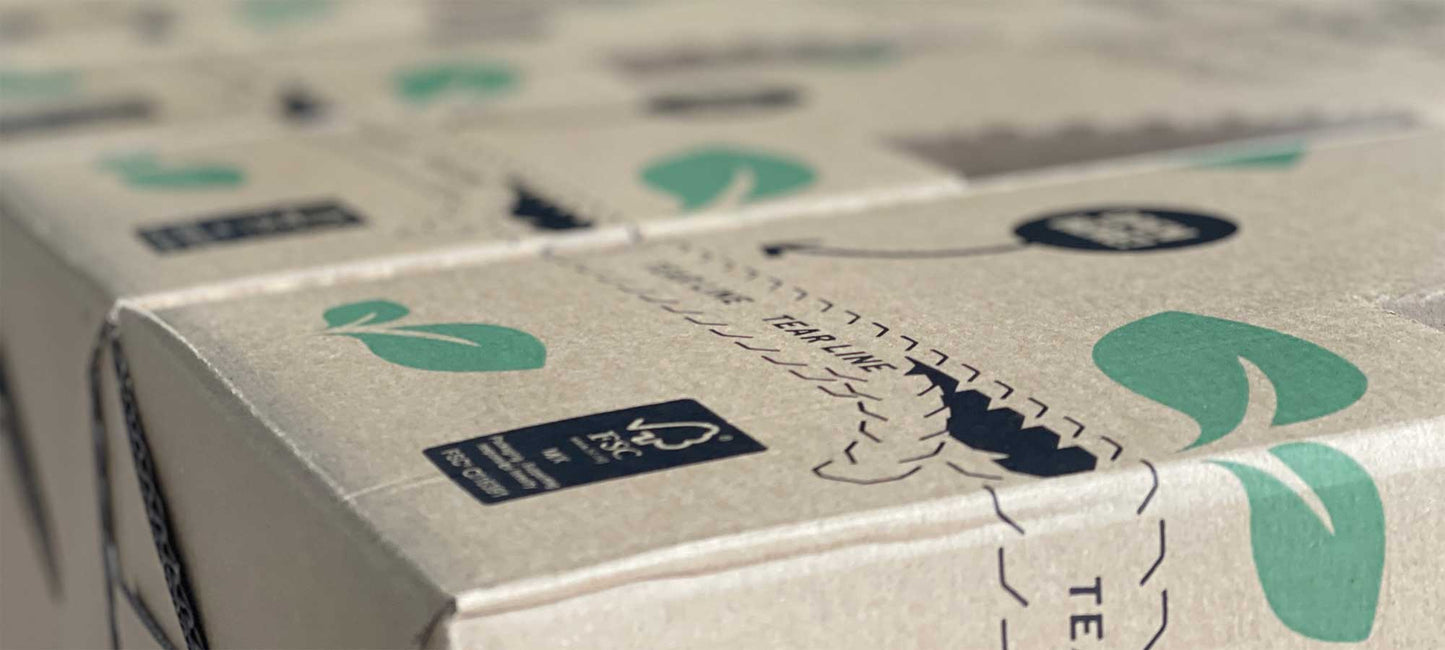
Every order is prepared with care so your plant arrives upright, secure and safe.
Individual protection
Plants in pots with a capacity of 3 litres or more are placed in individual boxes that hold the pot securely and reduce the risk of tipping over.
Sturdy packaging
We use reinforced cardboard designed to protect against impacts and vibration during transport.